Skip to navigation Skip to content Skip to content
WeitschussWeitschussUnderstand more. Go further.
Topics

Riflescopes & observation optics

News on riflescopes and spotting scopes, supported by explanations of magnification, reticles, focal planes and mechanics. Understand parallax, field of view and adjustment range.

News on this topic

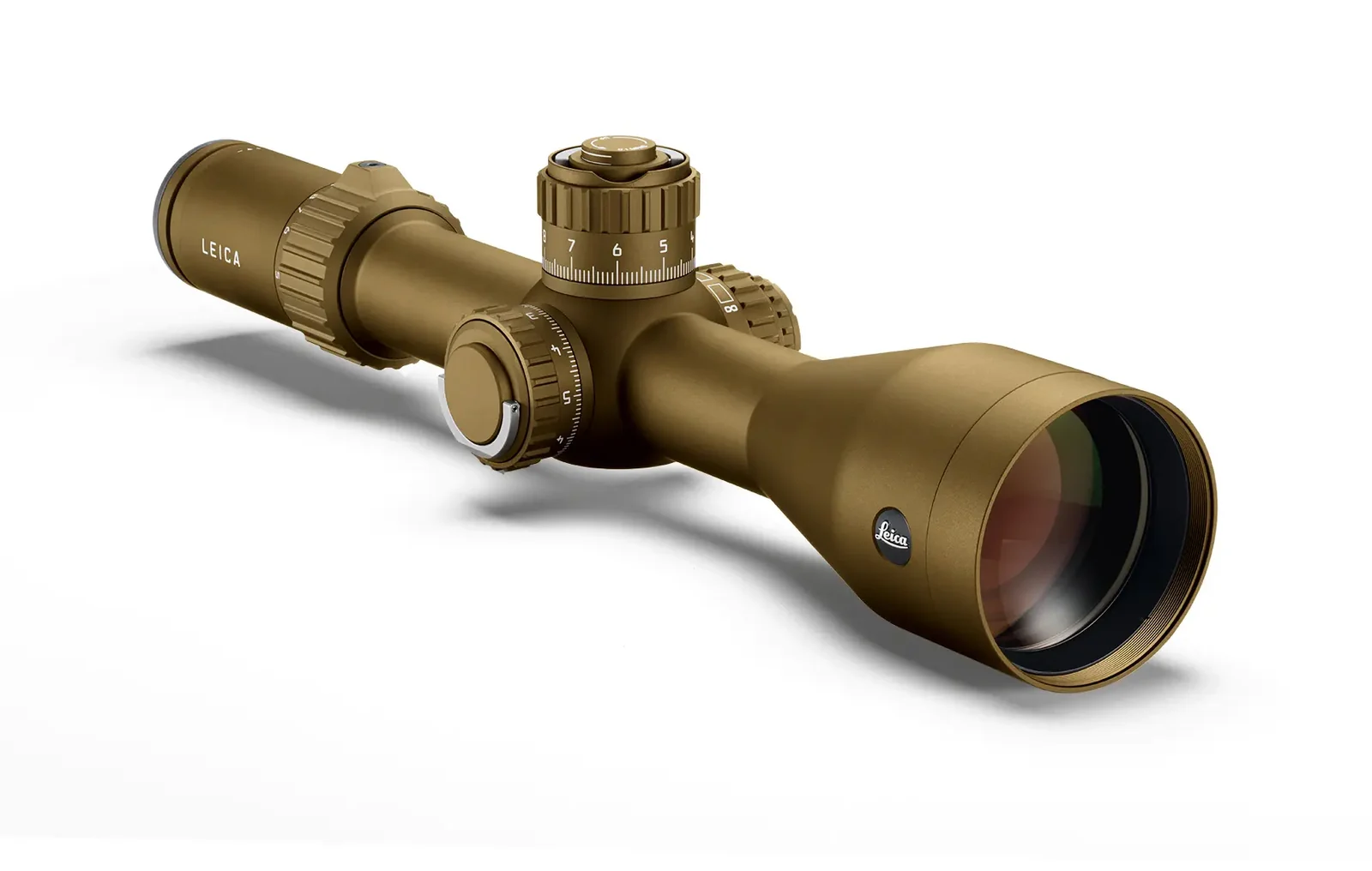
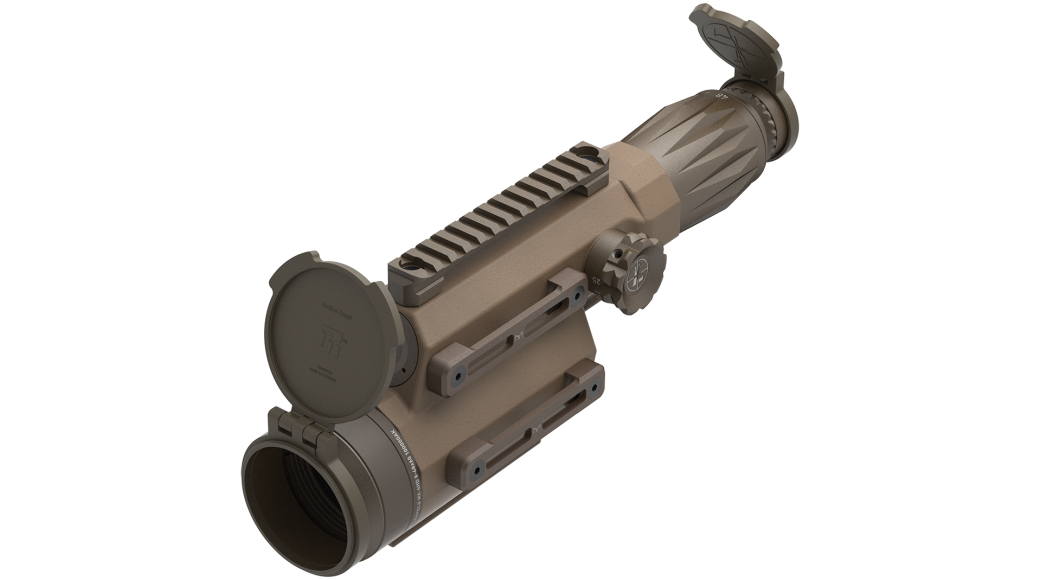
Leica PRS 5–30×56i FDE edition
Photo: Leica Camera AG

Leica PRS 5–30×56i: new FDE edition with matching accessories

Leica is adding a Flat Dark Earth edition to the PRS 5–30×56i. The German manufacturer announcement dated 8 October 2026 introduces a new colour version of the precision riflescope, combining an FDE housing with matching Tenebraex flip caps.

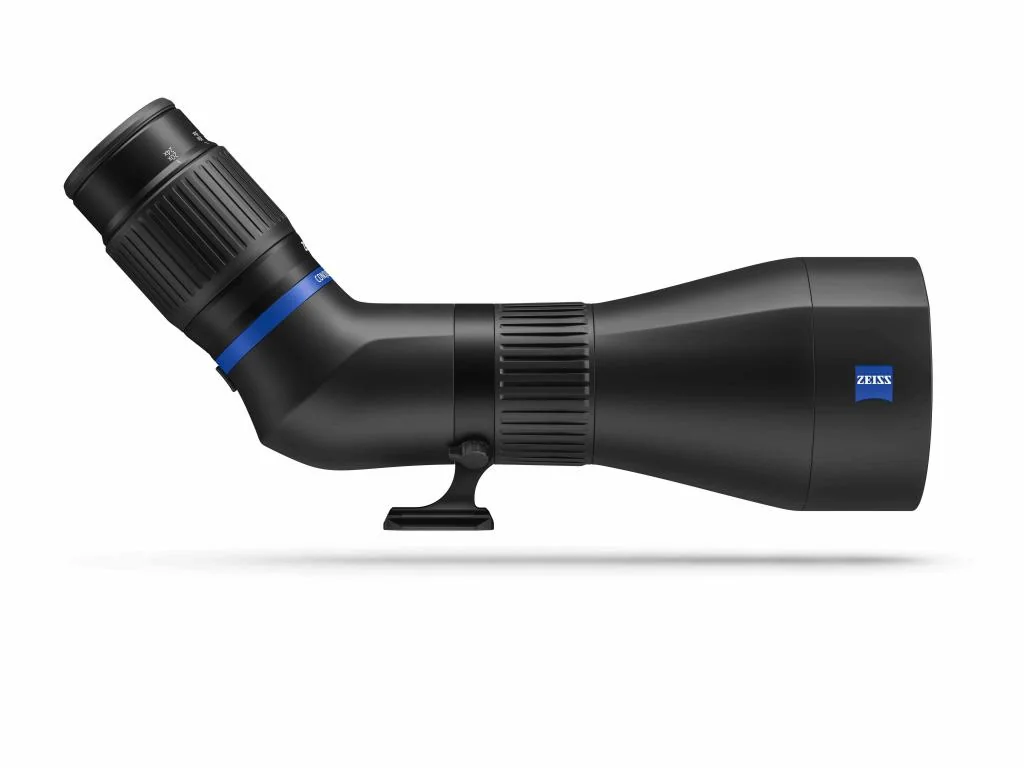
ZEISS Conquest Apia 85A – angled view
Photo: ZEISS / VALYRA · Conquest Apia 85A

ZEISS Conquest Apia: new 85 mm spotters and reticle eyepieces announced

ZEISS is expanding the Conquest Apia family with the straight-view 65S and the 85 mm 85A and 85S. The manufacturer's announcement on Shooting Wire dated 16 October 2026 also lists new MOA and MRAD reticle eyepieces, an interesting addition for long-range observers.

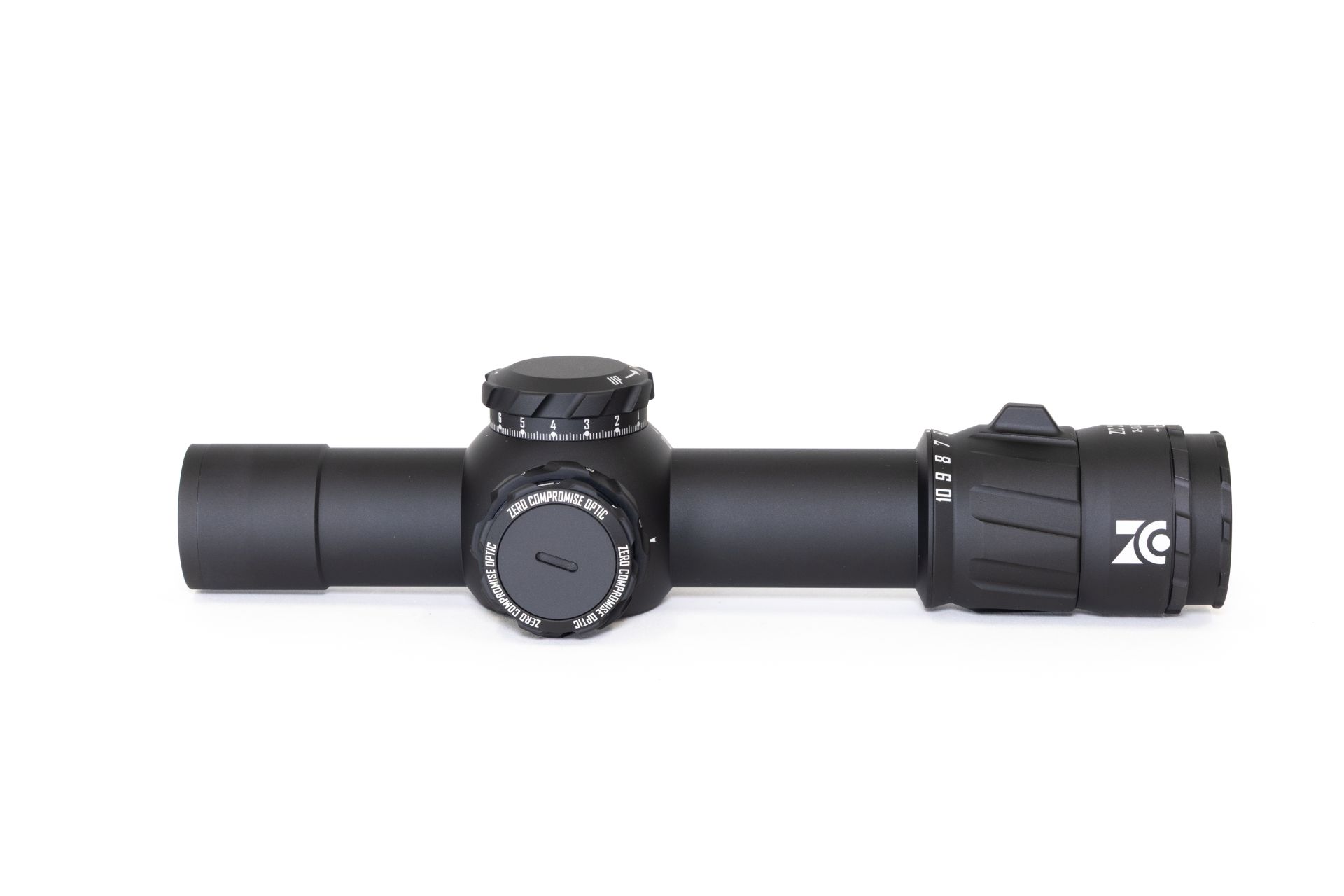
ZCO ZC210 riflescope
Photo: Zero Compromise Optic

ZCO ZC210: A field review of the compact 2–10×30

A compact body, two- to ten-power magnification and a 30 mm objective: that is the combination offered by the ZCO ZC210. True Pearce tested the SAN-1 reticle version for GunsAmerica. His report appeared on 23 August 2026; ZCO has linked to it since 14 September.

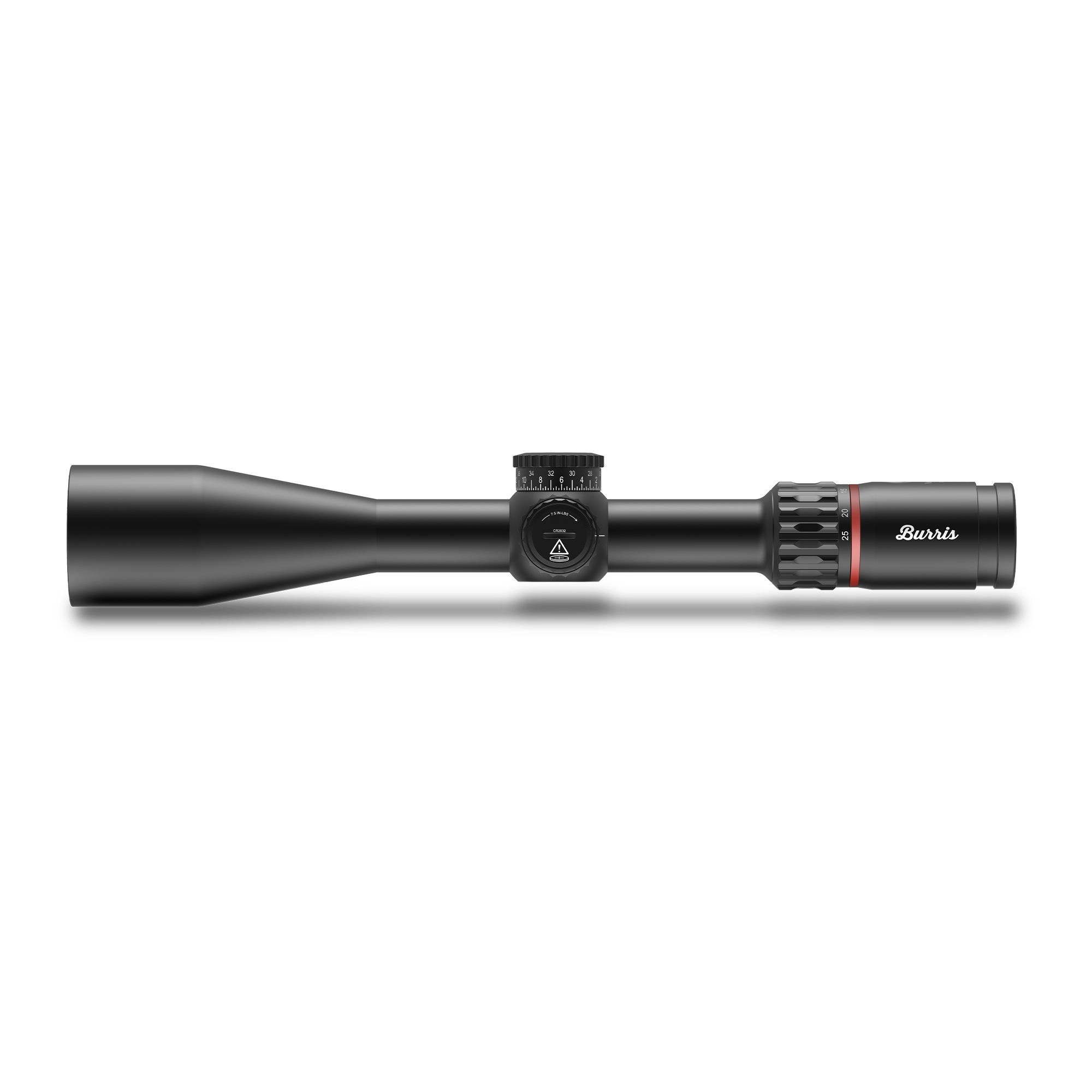
Burris Veracity 5–25×50, 2026 generation
Photo: Burris

Burris announces shipping of the new Veracity generation

Burris has announced that the 2026 Veracity generation is shipping in the US. Its 11 September release highlights the Veracity 5–25×50 among the models: a riflescope with a first-focal-plane reticle and a 30 mm main tube.

Related knowledge

What do reticles and reticle illumination do?

The reticle is the visible marking inside a riflescope. It may consist of a crosshair, dots or a more extensive scale. Its design is separate from the magnification of the target image. A fine reticle, a bright illuminated dot and a detailed image are also different characteristics.

How do mount height, construction height and sight height differ?

Manufacturers do not all define mount height in the same way. Some measure from the top of the rail to the ring centre; others measure to the underside of the scope tube. Two identical numbers can therefore describe different heights. Only a dimensioned drawing shows whether the figures are comparable.

Does mount inclination increase a scope’s adjustment range?

No. Inclination changes the fixed orientation of the mounted scope. It does not increase the mechanical travel available inside. The total range and the travel still available from a particular starting position are two different specifications.

Which riflescope myths make comparisons harder?

More magnification does not automatically make a better riflescope. Field of view, viewing comfort, reticle, mechanics, size and weight also contribute to the overall picture. Likewise, an illuminated marking does not brighten the target image by itself.

How do dioptre adjustment, focus and parallax differ?

When looking through a riflescope, you see two things at once: the reticle and the target image. They may not appear equally sharp. The dioptre adjustment at the rear of the scope adapts the appearance of the reticle to your eyesight. This is not the same as focusing the target image.

What are exit pupil, eye relief and eyebox?

A beam of light emerges from the rear of a riflescope. Its diameter is called the exit pupil. In a simple example, an effective objective diameter of 50 mm divided by ten-times magnification gives an exit pupil of approximately 5 mm. This value describes the beam, not directly how bright the image appears.

What do field of view and zoom tell us about the image?

Field of view is the area you can see through an optic without changing the direction you are looking. A wide field of view shows more of the surroundings. Manufacturers may state it as an angle or as an image width at a specified distance. Width alone is not enough for a comparison: the reference distance must always be included.

Why are light transmission and twilight factor different?

Light transmission describes how much of the light entering an optic comes out again. Some is lost inside through reflections or absorption by the materials. High transmission is therefore fundamentally different from a large objective lens. The measurement method matters too: a peak value for one colour of light cannot simply be compared with an average across several colours.

What are colour fringing, distortion and edge sharpness?

Colour fringing means coloured edges at areas of strong contrast, such as a dark edge against a bright background. It can occur because lenses do not reproduce all colours of light in exactly the same way. The technical term is chromatic aberration. Special glass types can help, but their presence alone does not tell you how effectively the complete optic controls this error.

What do coatings, seals and gas fillings do?

Optical coatings are extremely thin layers on glass surfaces. Some reduce reflections and the resulting light loss. Others help water bead off or make cleaning easier. A water-repellent layer therefore has a different job from an anti-reflection coating.

How can optics be protected during cleaning and storage?

Dust, grains of sand and fingerprints cannot all be removed in the same way. Hard, loose particles can scratch surfaces when rubbed across them. Before wet cleaning, they should therefore be removed carefully, for example with a suitable blower bulb. Rubbing harder does not make cleaning gentler.

What do MOA and MRAD mean on riflescopes?

MOA and MRAD are two units of angle. They do not describe a fixed length. A corresponding length can only be determined when a distance is also given. An angular value is therefore more like the opening between two lines than a measurement on a ruler.

What are adjustment range, repeatability and zero stop?

Adjustment range describes how far an adjustment travels between its two limits. The total range stated in a data sheet is not available in both directions from every starting position. Think of a slider: when it is near one end, less travel remains in that direction.

What does inclination in a riflescope mount mean?

Inclination means that a rail or mount provides a fixed angle along its length. It is a feature of its geometry. For example, 20 MOA / 5.8178 MRAD describe the same angle in two units. The decimal places result from conversion; they do not describe manufacturing tolerances.

What do magnification and objective diameter mean?

The designation 4–20 × 50 gives two specifications: magnification can be adjusted from four times to twenty times. The front lens, called the objective, has a stated diameter of 50 mm. Higher magnification makes an object appear larger. It does not, by itself, tell you how sharp, contrast-rich or colour-accurate the image is.

What is the difference between first and second focal plane?

The reticle is the crosshair or scale visible inside a riflescope. Its position within the scope determines how it behaves when magnification changes. There are two basic arrangements: first focal plane, abbreviated FFP, and second focal plane, abbreviated SFP.