
Accuracy International joins FN Browning Group
Belgium's FN Browning Group announced the completion of its acquisition of Accuracy International on 30 October 2026. The previously announced transaction has therefore closed.


Model news and practical reports meet explanations of barrels, twist, actions, stocks and precision. Explore how the components of a precision rifle work together.
Belgium's FN Browning Group announced the completion of its acquisition of Accuracy International on 30 October 2026. The previously announced transaction has therefore closed.
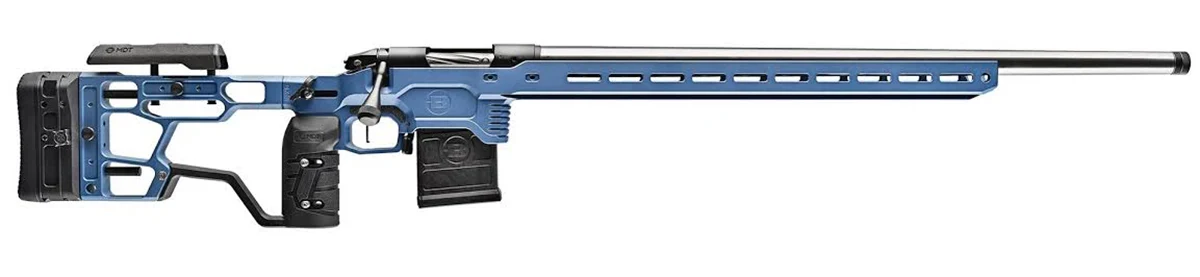
On 28 October 2026, MDT presented a report by Gavin at Ultimate Reloader on the Bergara Competition Elite in 6mm Dasher. It focuses on a test at one mile, equivalent to 1,609.3 m / 1,760 yrd.

Smith & Wesson Brands has acquired Savage Arms from a company within the JDH Capital group. According to the company announcement of 21 October 2026, the transaction closed that same day. Two established US firearms brands are now part of one corporate group.
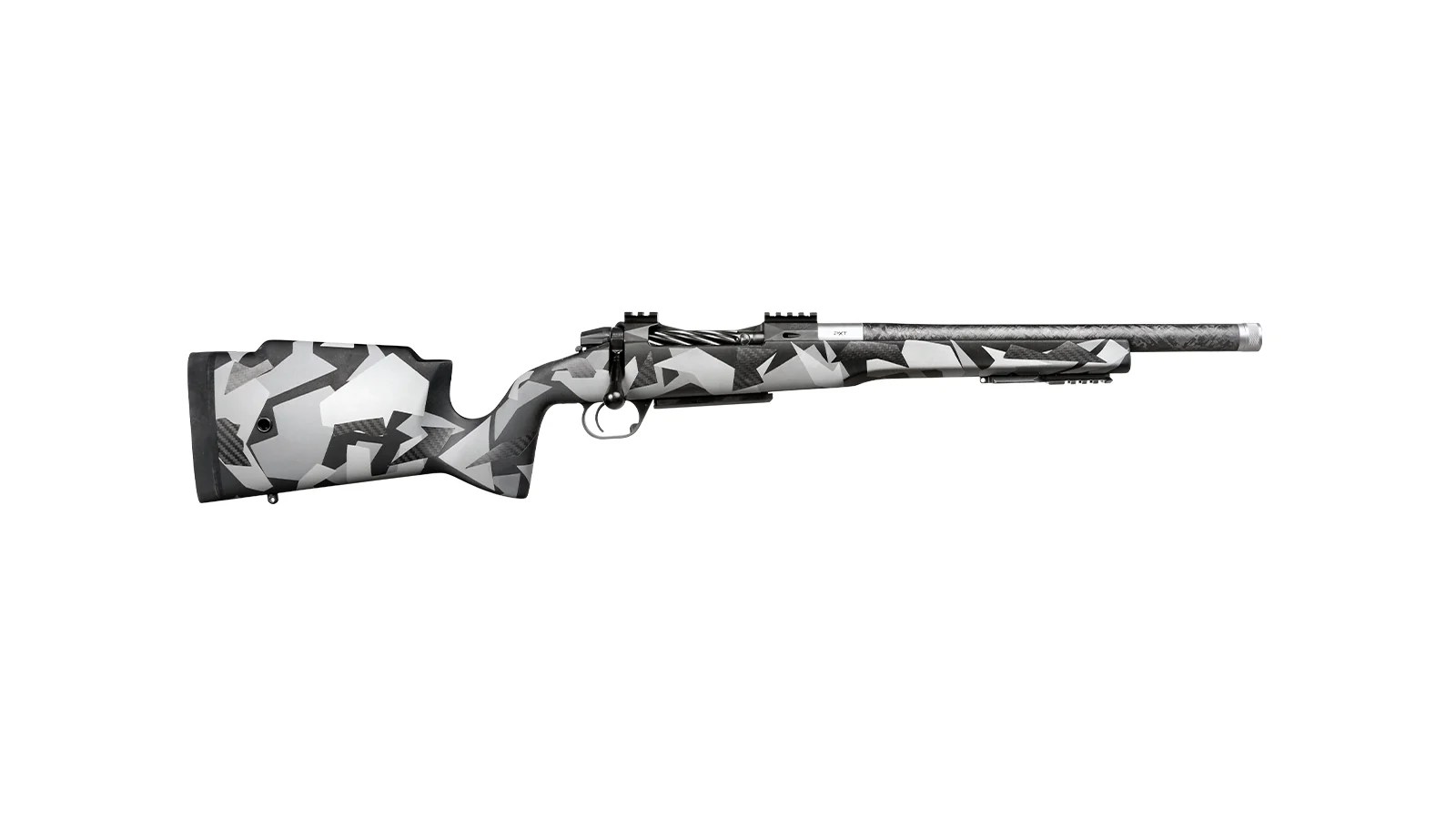
Outdoor Life named the PROOF Elevation MTR FDX its “Editor’s Choice – Best Hunting Rifle” in a comparison published on 6 October 2026. PROOF Research highlighted the result in a manufacturer release on 16 October. The news concerns the award and the recent independent publication’s test.
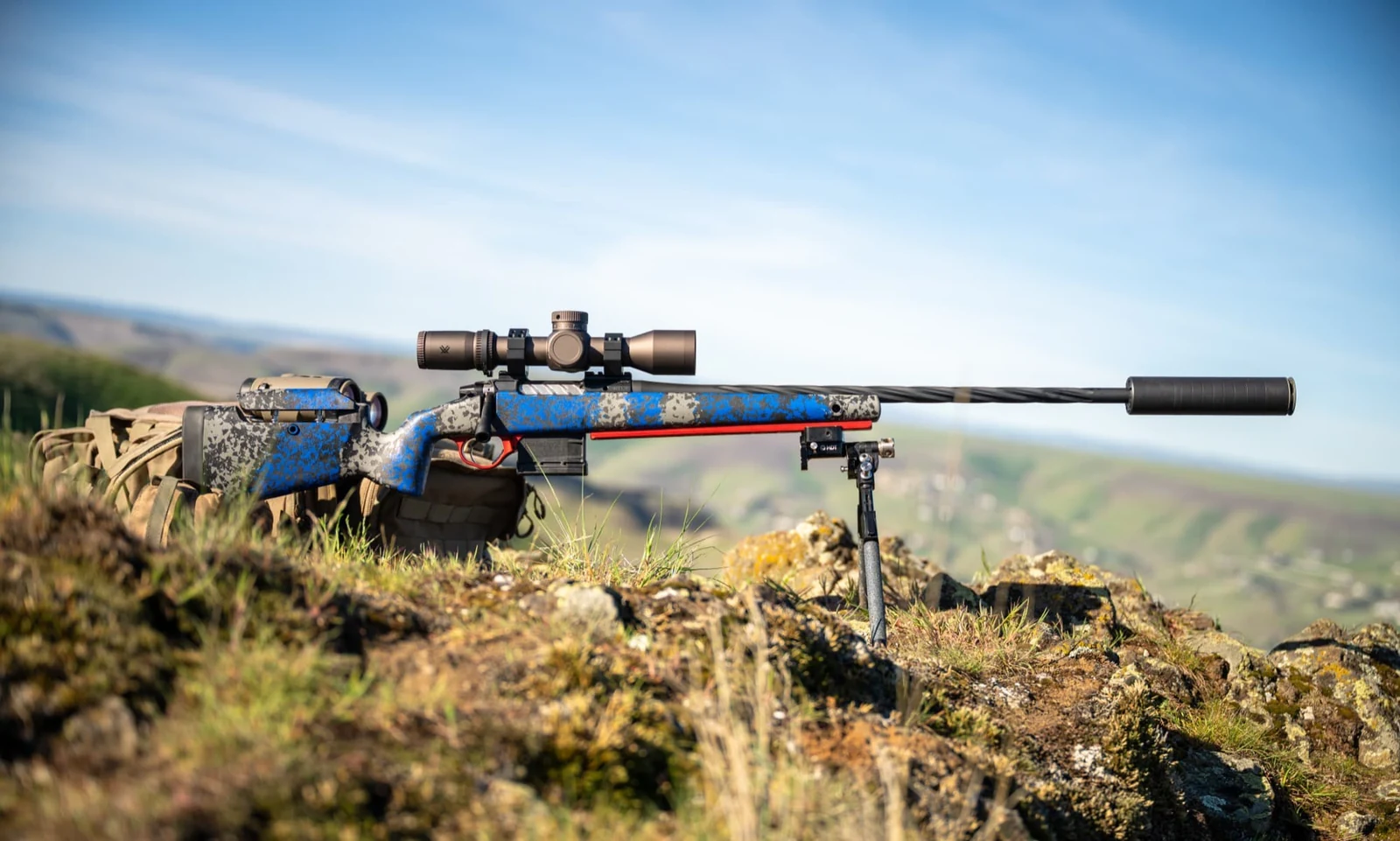
Outdoor Life names the Seekins PH3-NRL “Best Crossover” in its latest hunting-rifle comparison, highlighting its combination of hunting and precision competition.

Behördentage 2026 brings security technology suppliers and professional users together on 7–8 October. Organiser TeutoDefence runs the event for a restricted audience of public-sector professionals.

The M110 and G28 featured in the precision shooting programme at the multinational exercise Super Garuda Shield 2026. A photo report published by The Firearm Blog on 5 October shows U.S. Marines, Japanese soldiers and Indonesian Marines training together near Lampung, Indonesia.
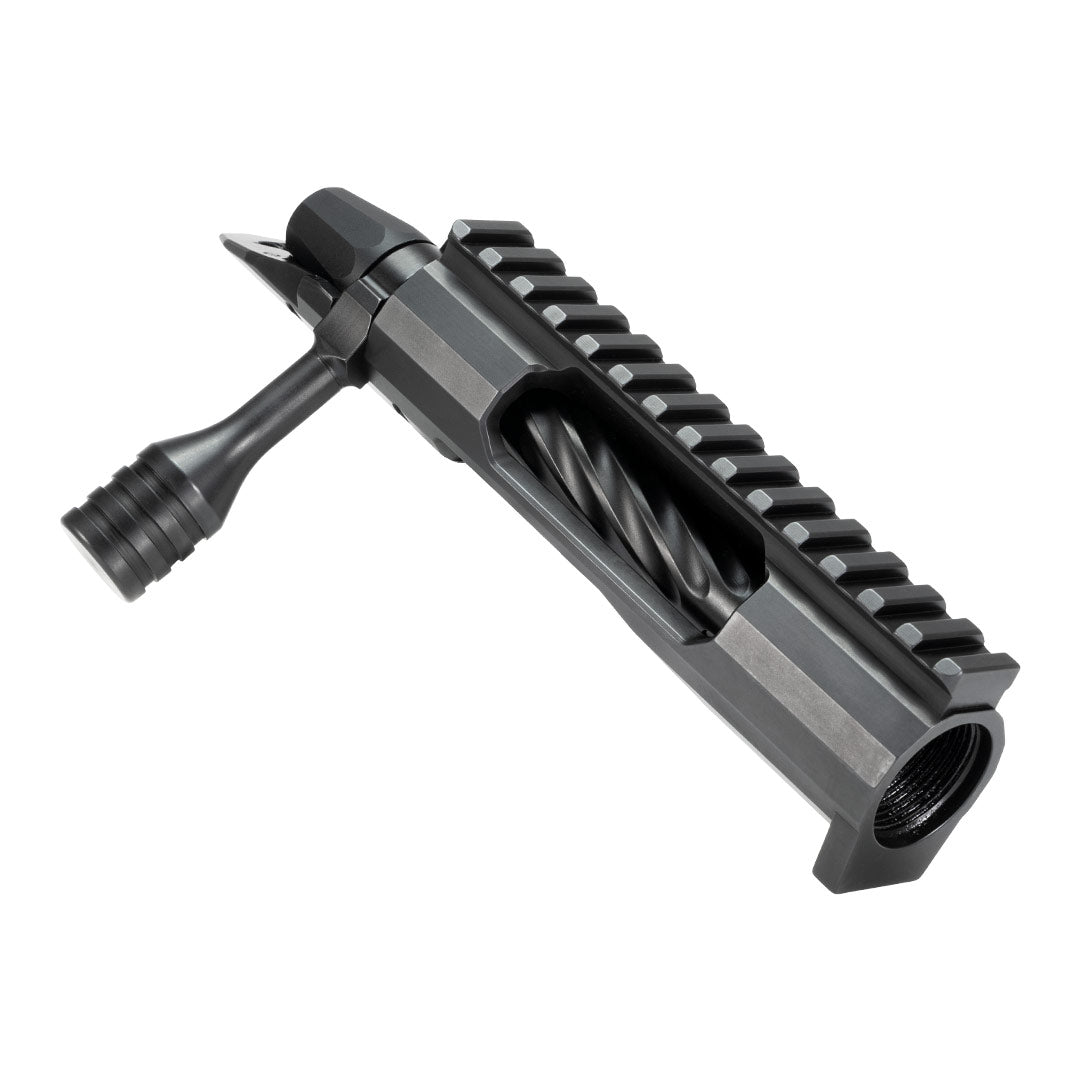
MDT is expanding its component range with the Fuzion, Fuzion Ti and Razor bolt actions from Lone Peak Arms. The announcement, dated 10 August 2026, follows its acquisition of the American manufacturer.
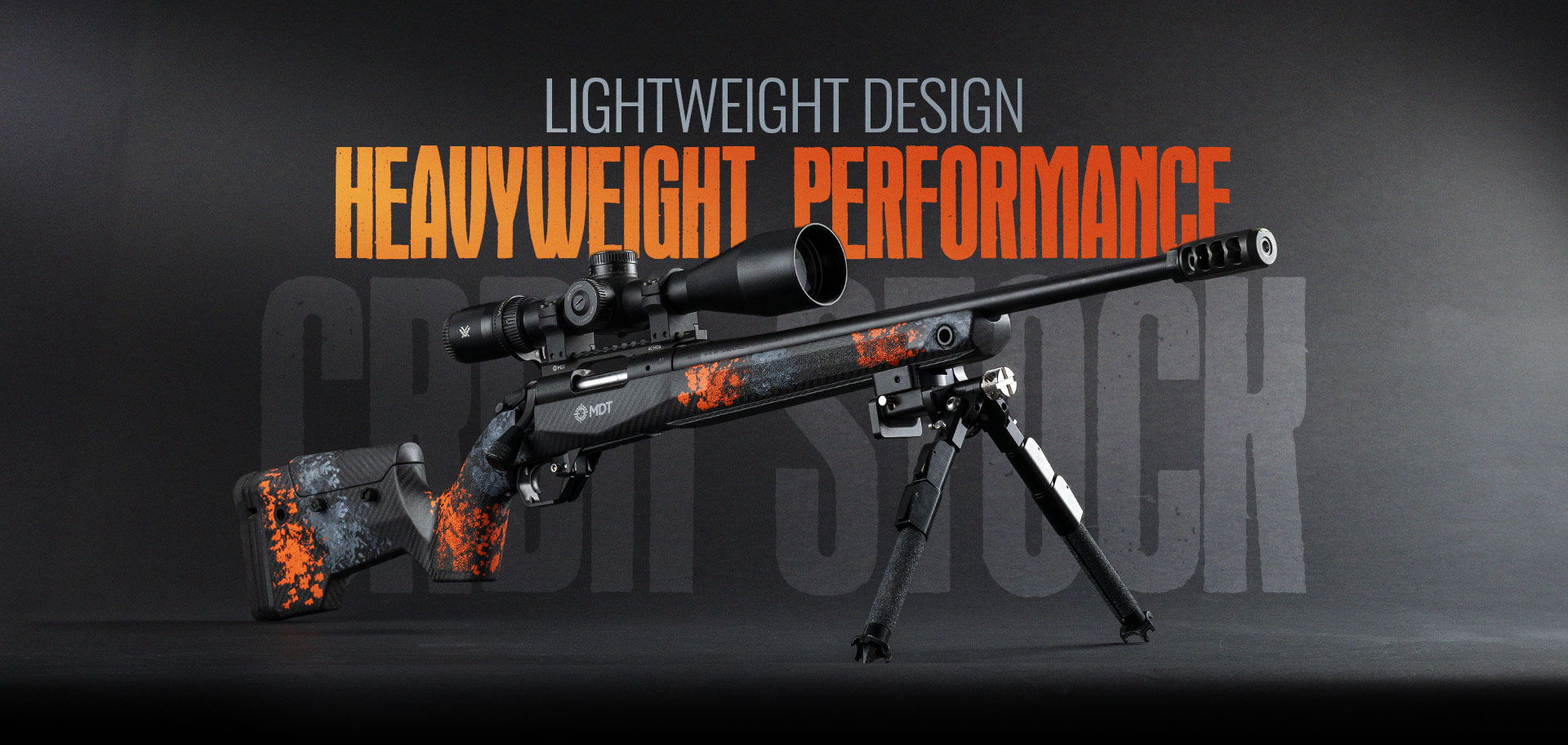
The CRBN uses a foam-filled carbon structure with an internal magnesium micro-chassis. An adjustable cheekpiece and spacers for length-of-pull adjustment allow the stock to be fitted to the shooter.
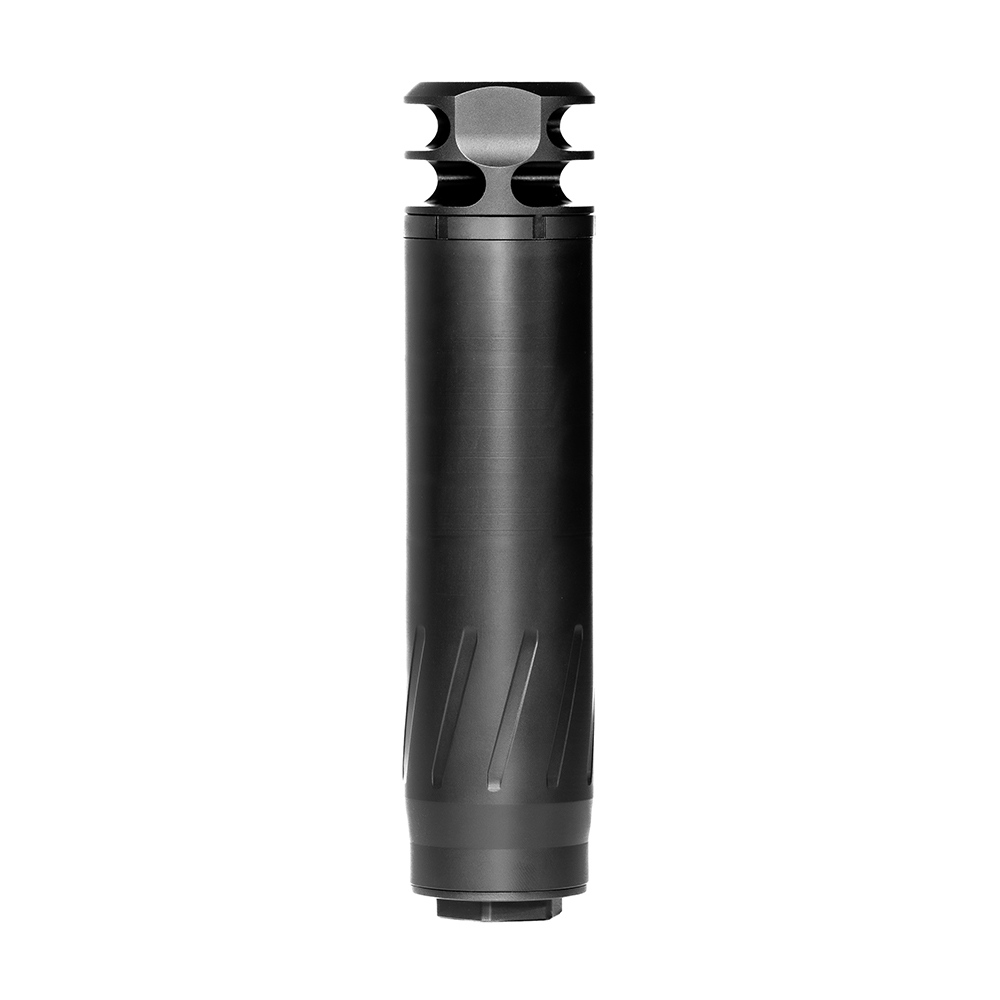
BANISH has introduced the Competition 6.5 SS and 6.5 TI, two suppressors for sporting use. The US announcement dated 25 September 2026 addresses users of 6 mm and 6.5 mm short-action cartridges.
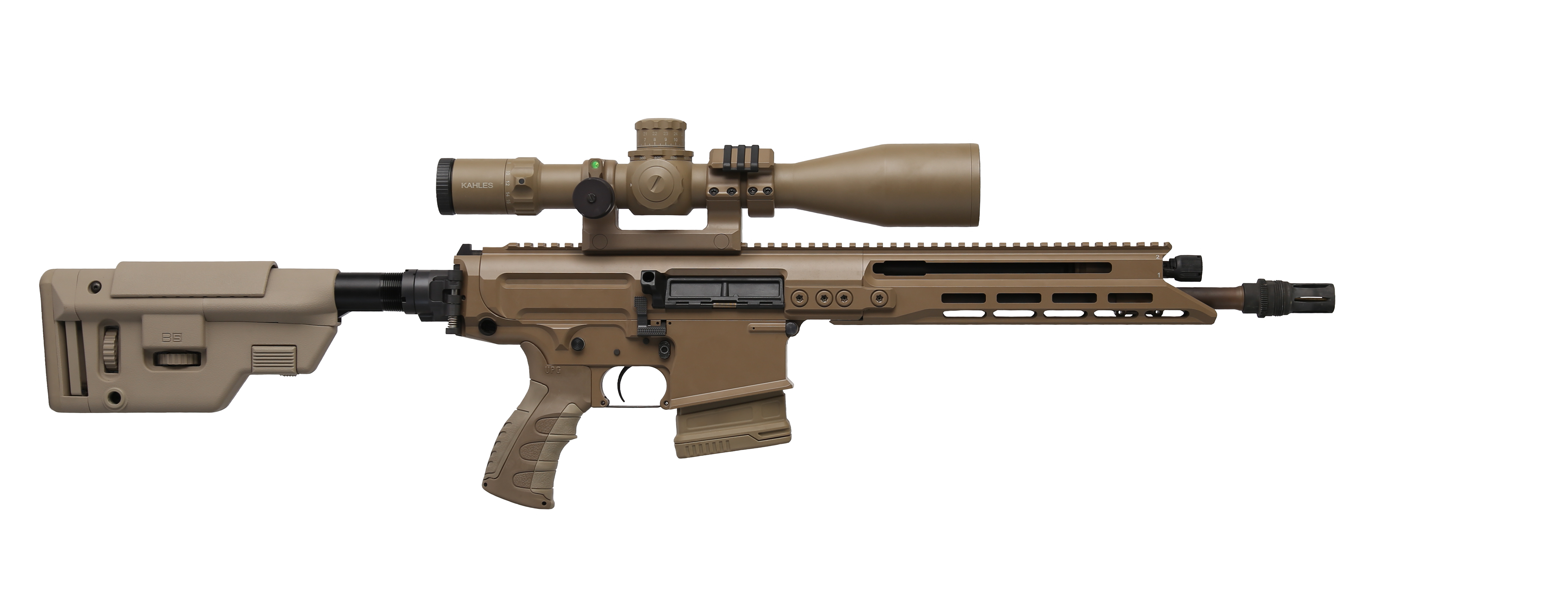
The Steyr DMR 762 repeatedly hit steel targets at 200 m / 218.7 yrd in an all4shooters trial. The semi-automatic rifle operated without malfunctions during the rainy range session.

Tikka is adding left-handed versions to its ACE family. Beretta USA announced corresponding ACE Target and ACE Game variants on 11 September 2026.

American and Indian soldiers trained together with precision rifles during Yudh Abhyas. A U.S. Army report dated 24 September 2026 describes a training session held on 22 September in Auli, India.
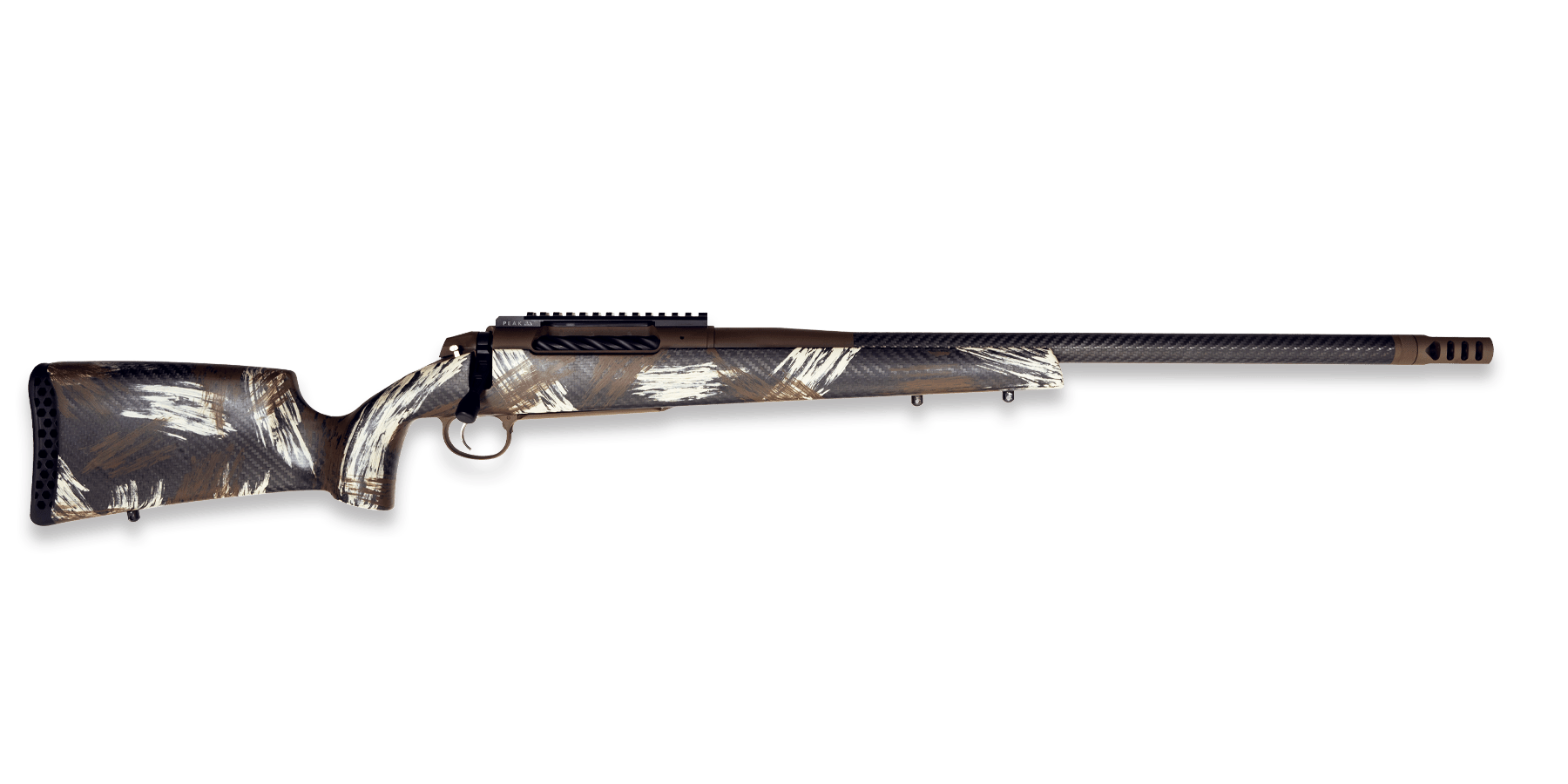
The Weatherby 307 Alpine CT combines a lightweight design with the ambitions of a precision rifle. Greg Ray tested a version in 6.5 Creedmoor on the range and reported on it at Outdoor Solutions on 16 August 2026. He describes hits out to 914.4 m / 1,000 yrd.
.308 Winchester is an established rifle cartridge used in various sporting and hunting contexts. .308 Win is its abbreviated name. That alone does not identify the bullet in a particular ammunition version.
6.5 Creedmoor is often abbreviated to 6.5 CM. The cartridge is widely used in precision sport. It must be distinguished from 6.5 PRC, 6.5 × 47 Lapua and other similarly named cartridges. A similar diameter designation does not make complete cartridges interchangeable.
.375 CT is a common abbreviation for .375 CheyTac. The cartridge belongs to the Extreme Long Range field. It is neither .408 CheyTac nor .375 SWISS P. Similar numbers or a shared part of the name do not mean that cases and chambers are identical.
.375 SWISS P is a distinct centrefire cartridge from Switzerland. SWISS P is part of its full designation. Writing only “.375” would be imprecise because other cartridges use that number too. .375 CheyTac, for example, is not another spelling of .375 SWISS P.
6mm Creedmoor and 6.5 Creedmoor are different cartridges. The shared word Creedmoor does not make them interchangeable. Even the abbreviation 6mm CM needs to identify this exact cartridge clearly.
PRC means Precision Rifle Cartridge. 6.5 PRC is a distinct design, not another name for 6.5 Creedmoor. It belongs to the compact magnum category. Other PRC cartridges share the name family but do not automatically have the same dimensions.
7mm PRC belongs to the Precision Rifle Cartridge name family. It is distinct from 6.5 PRC, .300 PRC and other 7-mm cartridges. The manufacturer places it in the long-action class. This describes the size of the rifle action, not a shooting distance.
Internal ballistics describes what happens inside a firearm during a shot. Energy stored in the propellant produces hot gases. Their pressure changes over time and accelerates the bullet through the barrel. A rifled barrel also gives it spin.
External ballistics describes a bullet’s flight between the muzzle and impact. Gravity acts downwards throughout the flight. In air, drag also acts on the bullet. It depends on factors including velocity relative to the air, air density and bullet shape.
We observe movement from Earth, and our observation point rotates with it. Viewed this way, paths can appear different from those seen by an observer who is not rotating with Earth. One associated effect is called the Coriolis effect. It is not wind and is not caused by the bullet’s spin.
A measurement records a value with an instrument. A model calculates further results from known or assumed values. A rangefinder might, for example, measure a direct distance while also displaying a calculated equivalent distance. Both numbers appear on the same screen, but are produced differently.
Mach number compares a speed with the local speed of sound. Mach 1 means travelling as fast as sound under those conditions. It is not a fixed speed in metres per second. In air, the speed of sound changes particularly with temperature.
.308 Winchester is a civilian cartridge designation. 7.62 × 51 mm NATO identifies a military standard. Their names should not simply be swapped in technical information. Similar-looking cartridges are not automatically interchangeable.
.50 BMG is also called 12.7 × 99 mm. It is known from military contexts and also appears in specialised large-calibre sporting and ELR systems. Not every cartridge with “.50” in its name is .50 BMG, however. A large precision rifle cannot be identified by appearance alone either.
Start a comparison with complete cartridge names. The same opening numbers can belong to different cartridges. Each designation also covers different ammunition versions, so a ranking based only on names or bullet diameter would be of little use.
.300 Winchester Magnum is a widely used Magnum cartridge in the .30 group, found in sport, hunting and professional service. A belt around the case is one of its external features. .300 Norma Magnum and .300 PRC are different cartridges, not alternative names for the same design.
.300 Norma Magnum is a distinct Magnum cartridge in the .30 group. Its design is related to .338 Norma Magnum but uses a smaller bullet diameter. It is neither .300 Winchester Magnum nor the older .308 Norma Magnum. “NM” alone is therefore not an unambiguous name.
.338 Lapua Magnum is often called .338 LM and is closely associated with precision shooting at long distances. Despite the similar number, it is neither identical to nor interchangeable with .338 Norma Magnum. Bullet diameter alone does not define a complete cartridge.
.338 Norma Magnum is a distinct cartridge for large precision rifle systems. Its dimensions differ from .338 Lapua Magnum. .300 Norma Magnum is another cartridge too, so “Norma Magnum” without the complete name is too vague.
.408 CheyTac is a large-capacity centrefire cartridge for specialised precision rifle systems. It is often associated with Extreme Long Range, or ELR. CheyTac stands for Cheyenne Tactical. Despite the similar name, .375 CheyTac is a different cartridge.
.416 Barrett is a large-capacity centrefire cartridge for specialised precision rifle systems and ELR. Some rifle families are offered in both .416 Barrett and .50 BMG. These remain different cartridges; an individual rifle cannot automatically use both.
PRC stands for Precision Rifle Cartridge. .300 PRC is a distinct cartridge in the .30 group. It is not the same as .300 Winchester Magnum or .300 Norma Magnum. The PRC family itself also contains different cartridges with different dimensions.
The barrel guides the bullet. In a rifled barrel, its internal profile also gives the bullet spin. In conventional rifles, the chamber is at the rear of the barrel and holds the cartridge. The receiver connects important assemblies and houses moving parts of the action. The bolt or breech mechanism closes the system according to its design.
The stock connects the rifle’s action to the surfaces used to hold and support it. Traditional stocks may be made from wood or composite materials. A chassis is usually a load-bearing frame, often metal, to which parts such as the grip, buttstock and fore-end are attached. Hybrid designs also exist.
Barrel contour describes the barrel’s outside shape, including its thickness at different points. Together with length and material, it affects weight, stiffness and heat capacity. A larger cross-section can absorb more heat when other conditions are equal. That does not create a simple ranking of complete rifles by precision.
Inside a rifled barrel, the profile follows a spiral. It gives the bullet a spin around its lengthwise axis. This spin helps stabilise its orientation in flight, rather like a spinning top. In a conventional barrel, the recessed parts are called grooves and the raised parts between them are lands. Other internal profiles also exist, including polygonal shapes.
A bullet’s spin helps it maintain its orientation in flight. At the same time, aerodynamic forces act on its surface. Their combined effect depends on more than weight: length, diameter, shape and the distribution of mass within the bullet also matter.
The bullet is the part that leaves the barrel. The cartridge is the complete unit comprising bullet, case, primer and propellant. Technically, calibre initially describes a diameter. In everyday use, however, it often stands for the full cartridge name.
Many cartridge names appear in long-range and PRS shooting. Frequently mentioned examples include .308 Winchester and 6.5 Creedmoor. Precision sport also uses cartridges such as 6 mm BR Norma, 6 mm Dasher, 6 mm Creedmoor and 6.5 × 47 Lapua. Their prevalence varies by country, competition format and season. This list is not a ranking.
Velocity describes how fast a bullet moves and is stated in metres per second. Kinetic energy is stated in joules and depends on both mass and velocity. Bullets with different weights and speeds can therefore have similar energy values.
.308 Winchester has been widely used in different fields for decades. 6.5 Creedmoor was developed with a focus on target shooting and uses smaller-diameter bullets. Both names nevertheless cover many ammunition versions. Without details of the particular bullet, comparison is necessarily broad.
6 mm BR Norma, 6 mm Dasher and 6 mm Creedmoor belong to a similar bullet-diameter class, but are different cartridges. They differ in case shape, development history and technical standards, among other things, and are not interchangeable. Each cartridge type also covers different bullets and performance figures.
“Magnum” is part of some cartridge names. It often suggests greater performance potential than related cartridges, but there is no common performance threshold that makes every cartridge a Magnum. Conversely, cartridges without the word can also be powerful.
A precision rifle is intended to deliver consistent results. Its barrel, bolt, receiver, stock and sights must work together. The name alone guarantees neither a particular group size nor a fixed range. Even an expensive or extensively equipped rifle needs to demonstrate its performance under clearly described conditions.
When several shots land close together, they form a small group. That does not necessarily mean the group is where it was intended to be. Imagine closely spaced dots beside the centre of a target: the dots are close together, but the whole group is off centre. A report should describe these two qualities separately.